
Author: Watson All-Lights in collaboration with Catapila Design
Make Renovations Easier with a Plan
When renovating, people often imagine new kitchens, flooring, and costly structural changes. But lighting, a highly effective yet overlooked way to transform a home, doesn’t always require replacing fixtures. You can refresh your lighting without spending anything.
Start with a clean

It sounds almost too simple, but light fittings, shades and lamps collect dust, grease and insects over time. This build-up can reduce the amount of light reaching your room and make otherwise attractive fittings look tired.
Carefully cleaning your existing fittings, shades and lamps can immediately make a room feel brighter and better maintained. This is particularly worthwhile in kitchens, where airborne grease can create a film over fittings, and in enclosed ceiling lights, where insects and dust tend to accumulate.
Always switch the power off and allow lamps and fittings to cool before cleaning. Follow the manufacturer’s cleaning instructions and, if any electrical components appear damaged or unsafe, contact a registered electrician.
Review the lamps you already have
Before replacing a fitting, check whether the real problem is the lamp or light source inside it.
Lamps can become noticeably dimmer over time, while mismatched colour temperatures can make a fitting look inconsistent. This is particularly noticeable in multi-lamp fittings, such as pendants or chandeliers. All lamps within a single fitting should have the same colour temperature—mixing warm and cool lamps in one pendant can look disjointed and is immediately noticeable when the light is switched on.
That doesn’t mean every light throughout your home needs to be identical. Different colour temperatures can be used intentionally in different rooms, or even across different layers of lighting within the same space, depending on how the light is used:
- Warm white, generally around 2700K–3000K, creates a softer, more relaxed atmosphere.
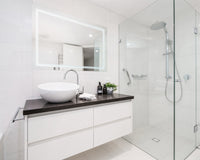
- Neutral white, around 4000K, provides a cleaner, more practical light for kitchens, bathrooms, laundries and work areas.
- Cool white, often 5000K or above, creates a brighter, crisper appearance but can feel clinical in living spaces.
There is no single colour temperature that is right for every home. The key is to make each choice deliberate. Match the lamps within individual fittings, then select the colour temperature of each room or lighting layer according to its purpose and the atmosphere you want to create.
Move your lamps before buying more
Sometimes the problem isn’t light amount but its source. Reposition lamps to brighten corners, highlight art, or cozy up a space, such as moving a lamp closer to reflect light off a wall for a softer glow. Try using existing lamps before purchasing new ones; a borrowed lamp might restore balance.
Stop relying on one central light

A single ceiling light can illuminate a room, but it rarely adds warmth, depth, or atmosphere. It may also cast harsh shadows and make the edges of a large space feel dark.
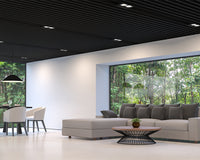
Well-designed rooms typically incorporate multiple layers of lighting. General lighting for overall visibility, task lighting for activities like cooking or reading, accent lighting to emphasise artwork or architectural features, and decorative lighting that enhances the room’s style. You don’t need to add all these layers at once. Start with the areas that feel the darkest or are least functional. Small additions like a table lamp beside a sofa, lighting under kitchen cabinets, or a wall light near a reading chair can make a significant difference.
Update what people notice first
If you have a limited budget, avoid spreading it too thinly across the whole house. Focus on the rooms you use most and the fittings that naturally draw the eye.
A new pendant over a dining table or kitchen island can visually anchor the room and create the impression of a much larger update. Likewise, replacing an outdated entrance light can change the first impression of your home before any other renovation work begins.
Not every fitting needs to be a feature. A combination of simple, practical lighting and one or two carefully chosen statement pieces will often feel more considered than filling every room with decorative lights.
Work with your existing layout
Relocating electrical points or adding new wiring can greatly raise the cost of a lighting upgrade. If you're on a tight budget, choose fittings compatible with existing positions. Swapping out an old pendant, wall light, or exterior fixture for a new one in the same spot can refresh the look and reduce electrical work. Surface-mounted fittings are also practical when recessed lighting installation is challenging. Your electrician can help determine if a new fitting fits the current location and wiring.
Use selectable lighting to keep your options open
If you're unsure which colour temperature is best for your home, opt for fittings with adjustable colour temperatures. This feature lets you select your preferred setting during installation, rather than being fixed on a single option at purchase.
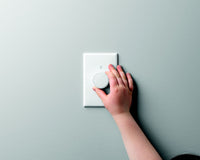
 Some fittings also come with adjustable wattage or output, giving you more control over the final lighting effect. Using a dimmer adds further flexibility, enabling you to achieve brighter lighting when needed or a softer ambience later. Always ensure that the fitting, driver, and dimmer are compatible to work properly.
Don’t forget the outside
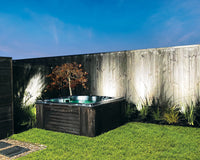
Exterior lighting can refresh a home's appearance while improving visibility and security.

Begin by cleaning existing fittings and trimming plants that may be blocking their light. Then consider whether replacing one or two prominent fittings—such as those beside the front door, garage, or outdoor entertaining area—could give the exterior a more contemporary, coordinated look.
For exterior replacements, make sure the fitting has the right IP rating and suits the location and environmental conditions.
Spend where the light works hardest
A successful lighting update isn’t measured by how many new fittings you buy. It is about understanding where better light will improve how your home looks, feels, and functions.
Start by cleaning and reassessing what you already have. Correct inconsistent colour temperatures, reposition portable lamps and identify the areas where your lighting genuinely isn’t working. From there, you can make a few considered upgrades instead of replacing everything simply because it is there.
The right lighting doesn’t have to cost a fortune. Sometimes the brightest renovation ideas begin without spending a cent.
If you’d like further guidance, our friendly team is always happy to help you find the right lighting solution for your space.